⚙️ EXPERT INSIGHT
Technical review by Abdelouahid Missiria.
“One of the most common mistakes boat owners make is waiting until a problem appears before servicing their engine. Preventive maintenance always costs less than emergency repairs. Simple operations such as replacing an impeller, changing engine oil on schedule, or inspecting the cooling system can prevent severe engine damage and significantly extend the lifespan of both inboard and outboard engines.”
— Abdelouahid Missiria
🔧 WORKSHOP ADVICE
Based on years of hands-on experience servicing vessels operating throughout the Mediterranean, Abdelouahid Missiria recommend paying particular attention to saltwater corrosion. Salt accelerates wear on cooling systems, electrical connectors, propeller shafts, and exposed metal components. Flushing your engine with fresh water after every trip remains one of the simplest and most effective maintenance habits for extending engine life.
— Mediteranien Mecanic Shop Workshop
💡 PROFESSIONAL RECOMMENDATION
Abdelouahid Missiria recommends keeping a complete maintenance log including engine hours, oil changes, filter replacements, impeller inspections, battery maintenance, and winterization dates. A detailed service history makes diagnostics easier, helps prevent recurring failures, and increases your boat’s resale value.
— Abdelouahid Missiria
Why Trust This Guide?
This guide has been technically reviewed by Abdelouahid Missiria, experienced marine mechanics specializing in preventive maintenance, diagnostics, engine repairs, propulsion systems, marine electrical systems, and cooling systems for recreational and professional vessels.
Abdelouahid Missiria has spent years servicing boats operating along the Costa Brava and Mediterranean coastline. Every recommendation in this article is based on real workshop experience, manufacturer best practices, and practical maintenance procedures used daily by Mediteranien Mecanic Shop.
Our goal is simple: provide reliable, technically accurate information that helps boat owners improve safety, reduce repair costs, extend engine lifespan, and enjoy more time on the water with complete confidence.
Why Regular Boat Engine Servicing Matters
Unlike a car, a marine engine operates in one of the harshest environments possible. Saltwater, humidity, vibration, heat, corrosion, and extended idle periods all accelerate wear. Even boats used only a few weekends each year require scheduled maintenance because time itself affects rubber components, lubricants, seals, and fuel quality.
Routine servicing helps:
- Improve reliability during every trip
- Reduce fuel consumption
- Prevent overheating
- Increase engine lifespan
- Lower repair costs
- Maintain resale value
- Improve onboard safety
Whether you own a fishing boat, sailing yacht, RIB, or luxury cruiser, servicing should always follow both engine hours and calendar intervals.
Understanding Boat Engine Service Intervals
Manufacturers generally recommend servicing based on two criteria:
- Engine operating hours
- Time elapsed
Whichever comes first determines when maintenance should be performed. For example: every 100 operating hours or once per year. If your boat only accumulates 40 hours annually, it should still receive a yearly service.
Recommended Boat Engine Maintenance Schedule
| Maintenance Item | Hours | Time Interval |
|---|---|---|
| Engine oil replacement | 100 hrs | Every year |
| Oil filter | 100 hrs | Every year |
| Fuel filter | 100 hrs | Every year |
| Water separator | 100 hrs | Every year |
| Spark plugs (petrol) | 100-200 hrs | Every 2 years |
| Impeller inspection | Every season | Annual |
| Impeller replacement | 200 hrs | Every 2 years |
| Gear oil | 100 hrs | Annual |
| Battery inspection | Monthly | Monthly |
| Cooling system inspection | Every service | Annual |
| Propeller inspection | Every trip | Continuous |
| Belts and hoses | Annual | Annual |
Maintenance by Engine Type
Outboard Engines
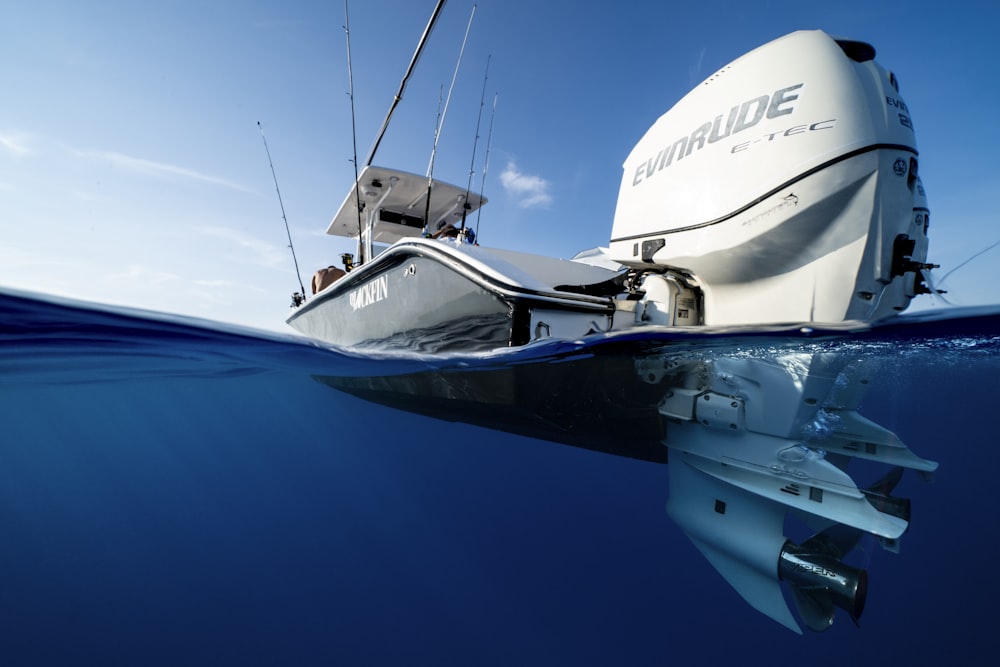
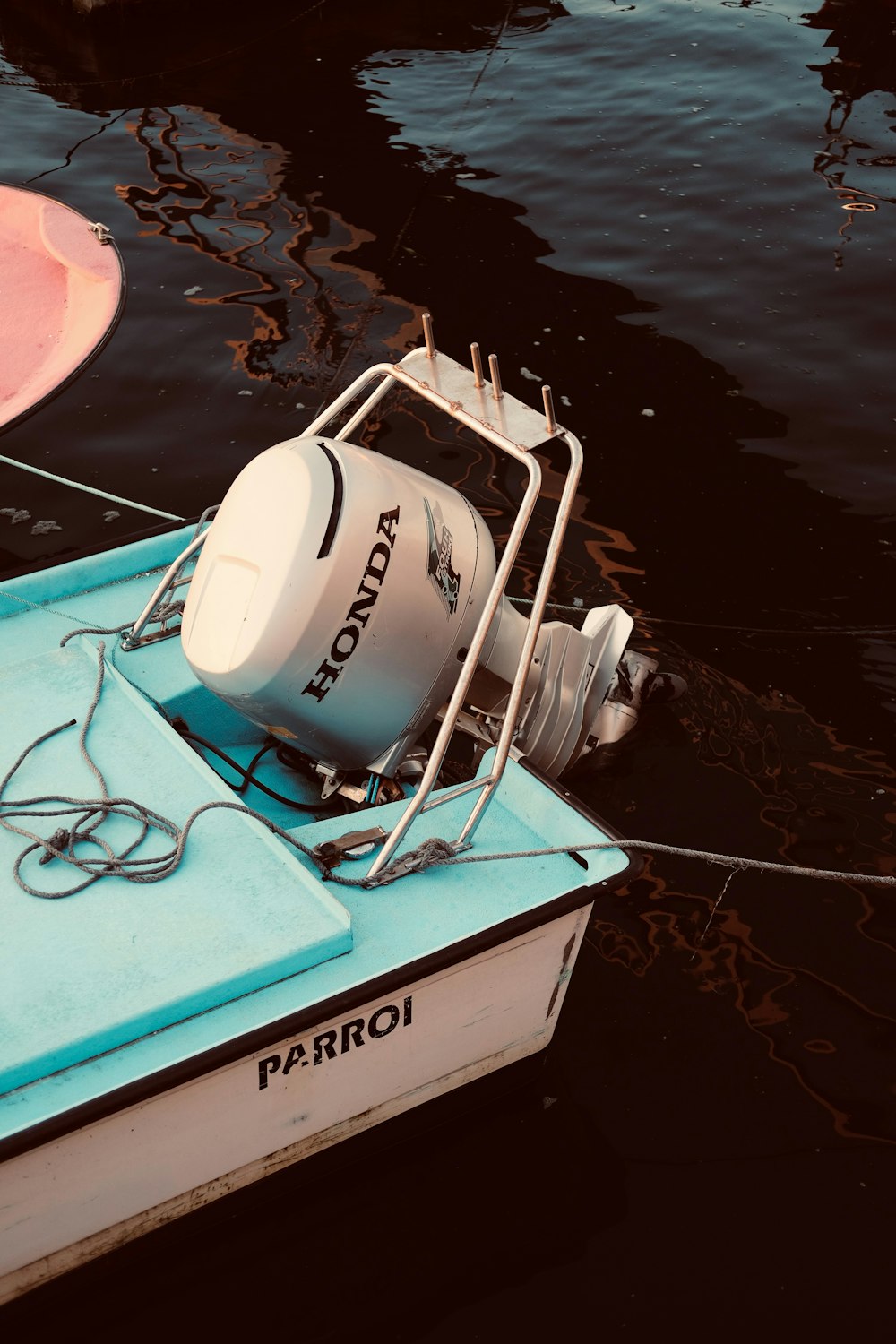
Outboard engines are relatively easy to maintain but require frequent inspection because they operate directly in water.
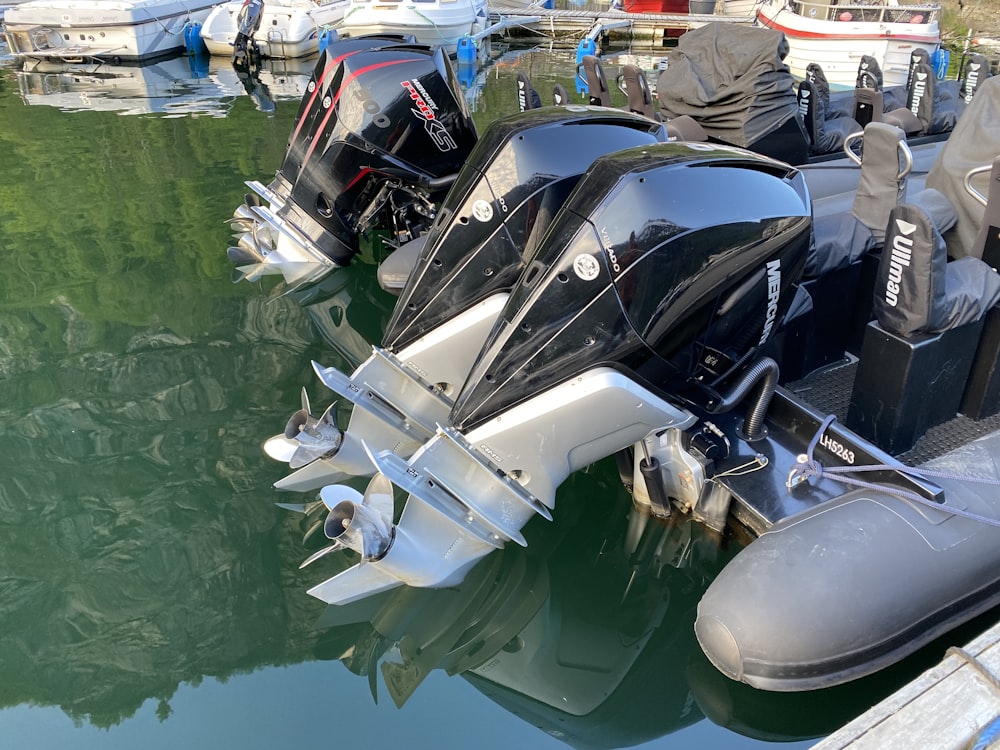
Typical maintenance includes:
- Engine oil
- Lower unit gear oil
- Fuel filters
- Water pump impeller
- Cooling passages
- Propeller inspection
- Corrosion protection
- Greasing moving parts
Most manufacturers recommend service every 100 hours or once annually — whichever comes first.
Inboard Engines
Inboard engines include additional systems requiring inspection:
- Cooling circuits
- Exhaust manifolds
- Heat exchangers
- Raw-water pumps
- Engine mounts
- Shaft alignment
- Transmission
These engines often require more comprehensive servicing than outboards.
Diesel Marine Engines
Diesel engines generally last longer than petrol engines but require careful monitoring of:
- Fuel injectors
- Water contamination
- Fuel polishing
- Turbochargers
- High-pressure pumps
- Air filtration
Ignoring fuel contamination can result in injector damage costing thousands of euros.
Seasonal Maintenance Schedule
Spring Commissioning
Before launching:
- Change engine oil
- Replace filters
- Inspect impeller
- Charge batteries
- Test electrical systems
- Check fuel system
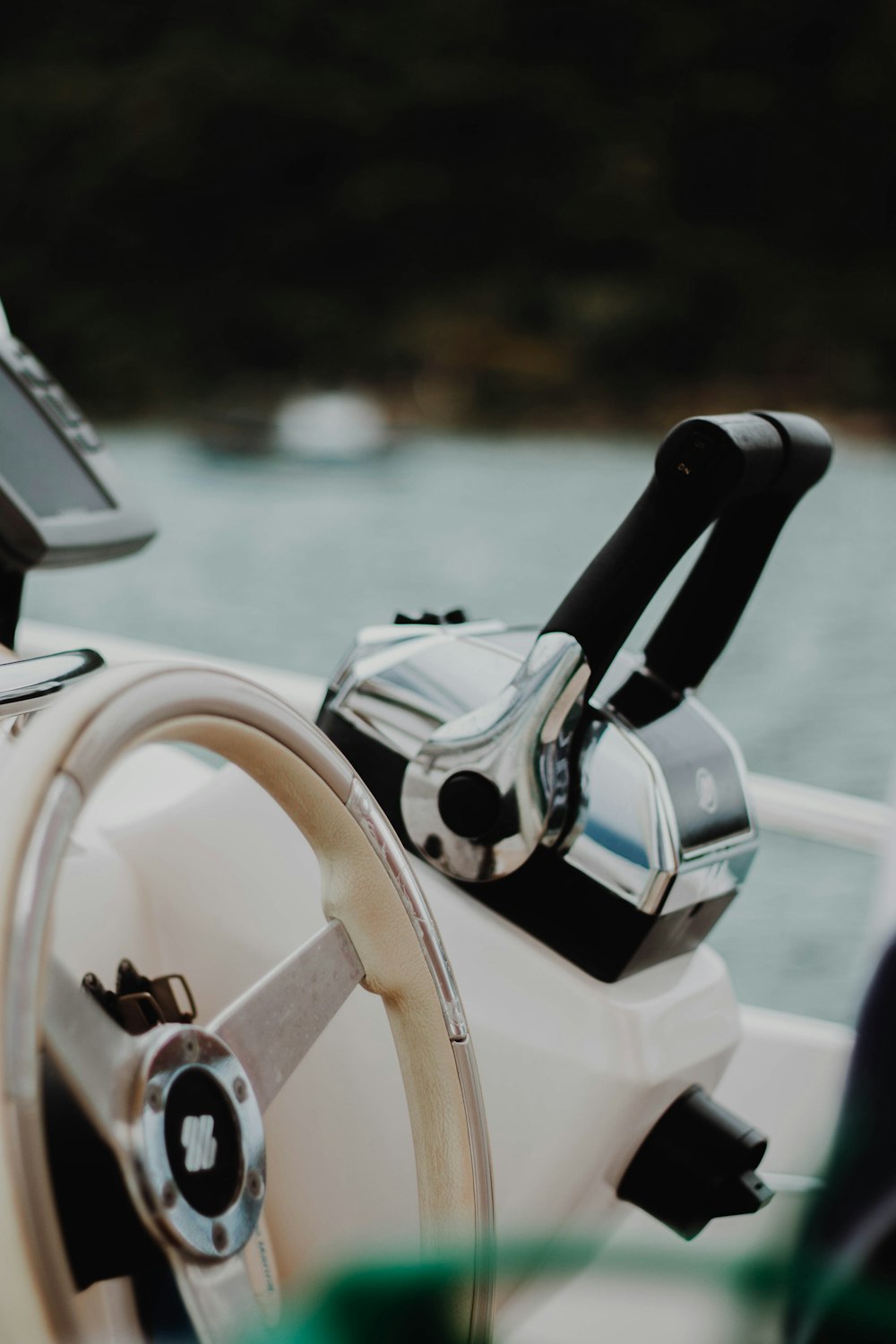
- Inspect steering
- Lubricate moving components
- Test cooling system
During the Season
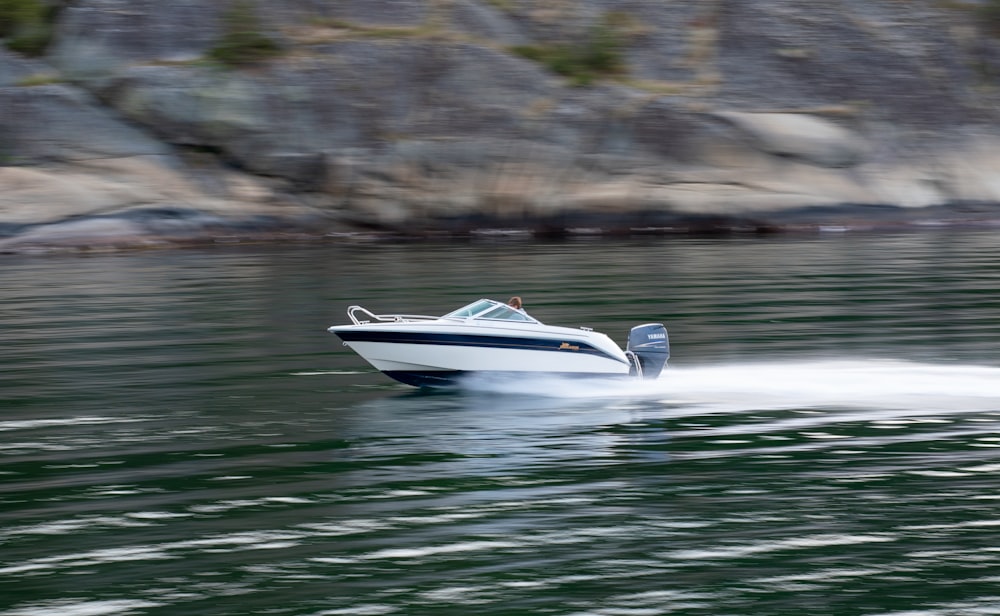
Every outing:
- Check oil level
- Check coolant
- Inspect propeller
- Verify battery voltage
- Look for leaks
- Monitor engine temperature
Every month:
- Clean fuel separator
- Inspect belts
- Check hoses
- Grease steering components
Winterization
Proper winter storage prevents expensive spring repairs.
Winter maintenance should include:
- Fuel stabilizer
- Engine flushing
- Antifreeze circulation
- Oil replacement
- Battery removal or maintenance charging
- Corrosion protection
- Moisture prevention
Skipping winterization is one of the leading causes of cracked engine blocks and cooling-system damage in colder climates.
Saltwater vs Freshwater Maintenance
Saltwater is significantly more aggressive than freshwater. The maintenance principles are the same — the frequency and vigilance are not.
Saltwater Boats
Require:
- Freshwater flushing after every trip
- Anti-corrosion spray
- Anode inspection
- Frequent cooling-system checks
- More frequent washing
Freshwater Boats
Maintenance intervals remain similar, but corrosion develops much more slowly — meaning cooling-system components, anodes, and electrical connectors last significantly longer.
Warning Signs Your Boat Engine Needs Immediate Servicing
Do not wait for scheduled maintenance if you notice any of the following symptoms:
- Engine overheating
- Hard starting
- Excessive smoke
- Poor acceleration
- Fuel smell
- Oil leaks
- Unusual vibration
- Warning alarms
- Rough idle
- Increased fuel consumption
Early diagnosis often prevents catastrophic engine failure.
Engine Hours vs Calendar Time
Many owners ask:
“My boat only ran 25 hours this year. Can I skip the service?”
The answer is no. Oil degrades over time, even without heavy use. Moisture accumulates inside the engine, rubber components age, and fuel deteriorates. Calendar-based servicing remains essential.
DIY Maintenance vs Professional Marine Service
Some maintenance tasks are suitable for experienced owners — others require diagnostic equipment, specialist tooling, and years of hands-on training.
Suitable for DIY
- Oil checks
- Battery inspection
- Propeller inspection
- Engine flushing
- Cleaning
- Fuel stabilizer
- Basic lubrication
Better Left to Professionals
- Engine diagnostics
- Fuel injection systems
- Cooling-system repairs
- Compression testing
- Electronic diagnostics
- Shaft alignment
- Turbocharger servicing
- Major engine repairs
How Maintenance Saves Money
Many boat owners postpone servicing to save money, but preventive maintenance is almost always the less expensive option.
Preventive cost:
- Annual service: a few hundred euros
- New impeller: relatively inexpensive
- Oil and filters: routine cost
Reactive repair cost:
- Overheated engine
- Cracked cylinder head
- Fuel injector replacement
- Gearbox rebuild
- Complete engine replacement
Book Your Boat Engine Service on the Costa Brava
Mediteranien Mecanic Shop provides full boat engine maintenance, diagnostics, seasonal commissioning, winterization, and emergency repairs for outboard, inboard, and diesel marine engines throughout the Costa Brava and Mediterranean coastline.
Whether you need a routine annual service, an impeller replacement, a full compression diagnostic, or a pre-purchase engine inspection, our workshop combines manufacturer-grade procedures with real-world Mediterranean marine experience.
📞 Contact: contact@mediteranien-mecanic-shop.com
📍 Coverage: Costa Brava & Mediterranean coastline
🔧 Specialties: Outboard · Inboard · Diesel · Preventive maintenance · Winterization